
With PMOD (previously referred to as PCOS) becoming a growing topic of discussion, one phrase is appearing everywhere: metabolic health.
But what does metabolic health actually mean?
For many people, metabolism is simply about how fast or slow they burn calories. If someone gains weight easily, they assume they have a “slow metabolism.” If someone stays lean effortlessly, they are said to have a “fast metabolism.”
In reality, metabolism is much more complex than calorie burning.
It is the system that determines how efficiently your body produces, stores, and uses energy to keep every organ functioning properly.
Your energy levels, hormones, sleep, mood, fertility, immunity, and long-term health are all influenced by your metabolic health.
The Three Pillars of Metabolic Health
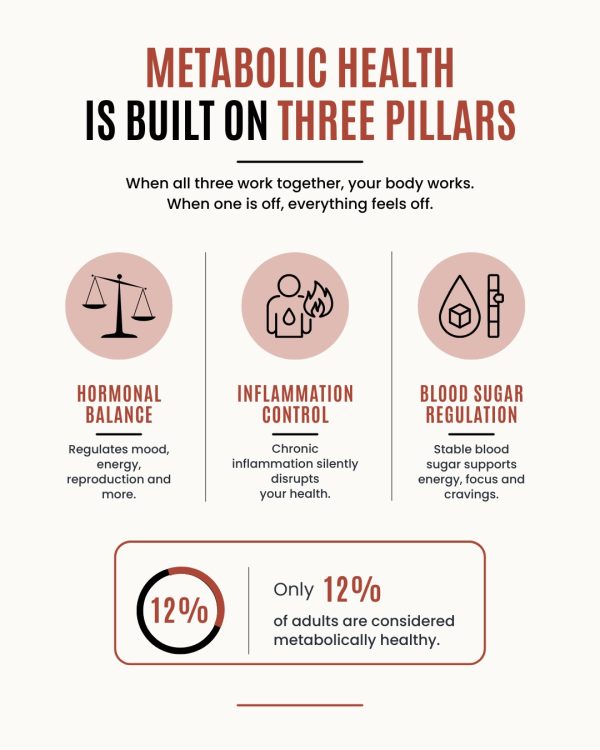
A healthy metabolism depends on three interconnected systems working together.
1. Hormonal Balance
Hormones act as your body’s messengers. They regulate hunger, reproduction, stress response, thyroid function, growth, and countless other processes.
When hormones remain balanced, the body functions efficiently.
When they don’t, you may experience weight gain, irregular menstrual cycles, fatigue, mood changes, acne, fertility issues, and reduced overall well-being.
2. Inflammation Control
Inflammation is your body’s natural defense mechanism. Short-term inflammation helps the body heal after injury or infection.
The problem begins when low-grade inflammation becomes chronic.
Persistent inflammation is associated with insulin resistance, cardiovascular disease, obesity, fatty liver disease, and metabolic disorders, often without obvious symptoms in the early stages.
3. Blood Sugar Regulation
Every meal affects your blood sugar.
A healthy metabolism keeps blood glucose within a stable range by responding appropriately with insulin.
When blood sugar regulation becomes impaired, the body may begin storing excess fat, particularly around the abdomen. Over time, insulin resistance can develop, increasing the risk of prediabetes, type 2 diabetes, and hormonal imbalances.
Why Metabolic Health Matters
When these three systems are functioning well together, the body works efficiently.
When they don’t, the consequences extend far beyond body weight.
You may notice:
- Constant fatigue despite adequate sleep
- Difficulty losing weight
- Increased abdominal fat
- Sugar cravings
- Poor concentration or brain fog
- Disturbed sleep
- Mood fluctuations
- Irregular menstrual cycles
- Fertility challenges
These symptoms are often early signs that the body’s metabolism needs attention.
A Surprising Statistic
Research suggests that only about 12% of adults are considered metabolically healthy.
This means the majority of people may already have some degree of blood sugar dysregulation, chronic inflammation, or hormonal imbalance—often without realizing it.
Many individuals feel “normal” while these changes quietly develop over the years.
That is why metabolic health deserves much more attention than it currently receives.
Why PMOD Highlights the Importance of Metabolic Health
PMOD is often discussed as a reproductive health condition, but its effects go much deeper.
For many women, metabolic dysfunction—including insulin resistance and chronic inflammation—begins years before symptoms become severe enough for diagnosis.
This is one reason why managing PMOD requires more than treating symptoms.
Improving metabolic health through nutrition, physical activity, quality sleep, and stress management can positively influence hormonal balance and overall health.
Metabolic Health Isn’t Just About Weight
One of the biggest misconceptions is that only people who are overweight have metabolic problems.
That isn’t true.
A person can appear lean and still have insulin resistance, elevated inflammation, unhealthy cholesterol levels, or poor blood sugar control.
Likewise, someone carrying extra weight may be making steady improvements in their metabolic health through healthy lifestyle changes.
Your weight tells only part of the story.
Your metabolism tells a much bigger one.
Signs Your Metabolic Health May Need Attention
Some common indicators include:
- Persistent abdominal fat
- Difficulty losing weight despite effort
- Low energy levels
- Irregular periods
- Frequent sugar cravings
- Poor sleep quality
- Brain fog
- Mood fluctuations
- Increased hunger shortly after meals
Experiencing one or more of these symptoms doesn’t necessarily mean you have a metabolic disorder, but they are worth discussing with a qualified healthcare professional.
The Good News: Metabolic Health Can Improve
Unlike many factors we cannot control, metabolic health is highly responsive to lifestyle.
Small, consistent habits can have a profound impact over time:
- Eat balanced meals rich in protein, fibre, and healthy fats.
- Stay physically active every day.
- Prioritise 7–9 hours of quality sleep.
- Manage stress through relaxation techniques or mindfulness.
- Stay hydrated.
- Avoid relying heavily on ultra-processed foods and sugary beverages.
- Build sustainable habits rather than following short-term diets.
The goal isn’t perfection.
It’s consistency.
Final Thoughts
Metabolism is not simply about how quickly your body burns calories.
It reflects how efficiently your entire body functions—from your hormones and blood sugar to your energy, brain, and long-term health.
Whether you’re managing PMOD, trying to lose weight, or simply aiming to feel healthier, improving your metabolic health is one of the most valuable investments you can make.
Because when your metabolism works well, every system in your body benefits.